Why metabolic testing is the smartest first step in your fitness journey
Most fitness plans start with a guess. An online calculator guesses your daily calories. A generic program guesses how hard you should train. A wearable guesses how your body is responding based on signals it reads through your skin. Then we wonder why results stall, or we are running low on energy.
Metabolic testing replaces the guessing with measurement. With one short test, PNOE breath analysis shows how many calories your body actually burns at rest, how efficiently you use oxygen when you move, and what both of those numbers mean for your nutrition and training. It is the difference between following someone else’s plan and following yours.
Here is why metabolic health is suddenly everywhere, what a metabolic test measures, and how we use it at InstaPhysique to make every workout count.
Metabolic health has gone mainstream
If it feels like everyone is suddenly talking about metabolism, VO2 max, and longevity, you are not imagining it. Athletech News recently reported that global searches for “metabolic health” are up roughly 350% in the past year, and searches for VO2 max have climbed about 150% over the past five years. Testing that used to live in university performance labs and doctors offices are now available inside boutique studios with medical grade precision.
The shift makes sense. Wearables taught millions of people to pay attention to their own data. Podcasts made VO2 max a household term. And after years of one-size-fits-all fitness advice, people want something better: their own numbers, measured on their own body, turned into a plan that fits their actual physiology.
What a PNOE metabolic test actually measures
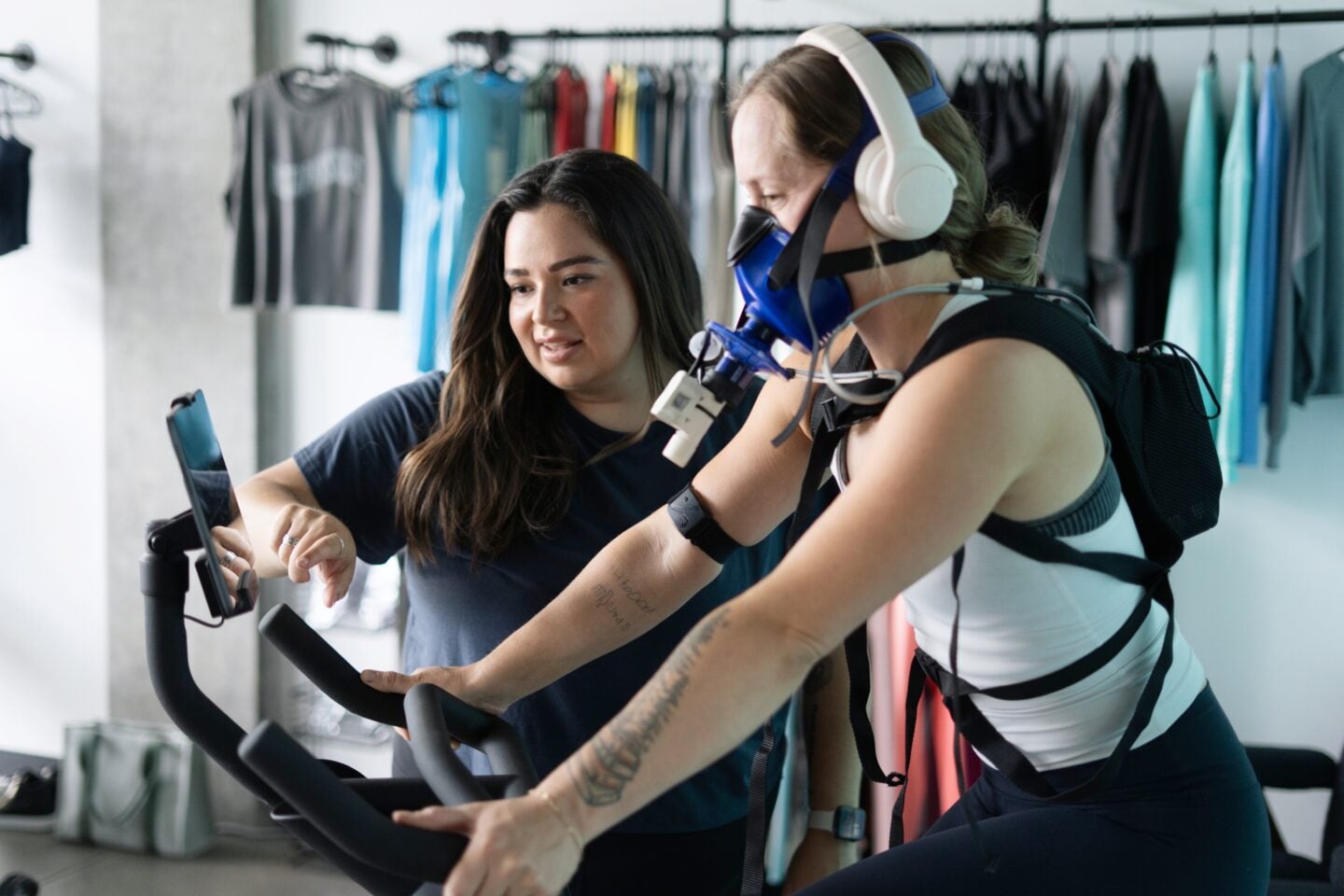
At InstaPhysique, we use PNOE – which is a lab-grade breath analysis. You breathe through a mask for a short period while the analyzer measures the oxygen you take in and the carbon dioxide you breathe out. From your breath, it builds a detailed picture of how your body produces and uses energy. No needles, no bloodwork.
Our metabolic testing covers two measurements, plus a nutrition plan built from your results.
Resting metabolic rate (RMR)
Your RMR is the number of calories your body burns at complete rest, just keeping you alive. It is the foundation of every nutrition decision you make. Most people have never measured it, so they set calorie targets from formulas that can miss by hundreds of calories per day. Measuring your real RMR tells you exactly where your baseline sits, and whether your metabolism is running the way it should.
Active Metabolic Rate (AMR, includes VO2 max)
Your AMR measures how efficiently your heart, lungs, and muscles take in and use oxygen during exercise. VO2 Max is one of the most widely used benchmarks of cardiovascular fitness, and it is trainable. Knowing yours gives you a starting line, personalized heart-rate zones, and a number you can move with consistent work.
Measured, not estimated
This is the part worth understanding. A smartwatch estimates metabolic metrics from your heart rate, read through your skin. A metabolic analyzer measures the air moving through your lungs. One is an educated guess. The other is data. Your watch is still useful day to day, but the test is what makes the watch’s numbers mean something.
What changes once you know your numbers
A metabolic test is not a souvenir. It changes three practical things right away.
- Your nutrition stops being a formula. Your calorie and macronutrient targets get anchored to your measured RMR, not an internet average. Every PNOE test at InstaPhysique includes a personalized nutrition plan built from your results.
- Your training intensity gets personal. Your heart-rate zones come from your own physiology, so you know when to push, and when an easier effort is actually the productive choice.
- Your progress becomes visible. Retesting after a training block shows changes in your metabolism and cardiovascular efficiency that a scale or a mirror will never show you. Progress you can see in data is progress you stay motivated by.
Why InstaPhysique offers metabolic testing
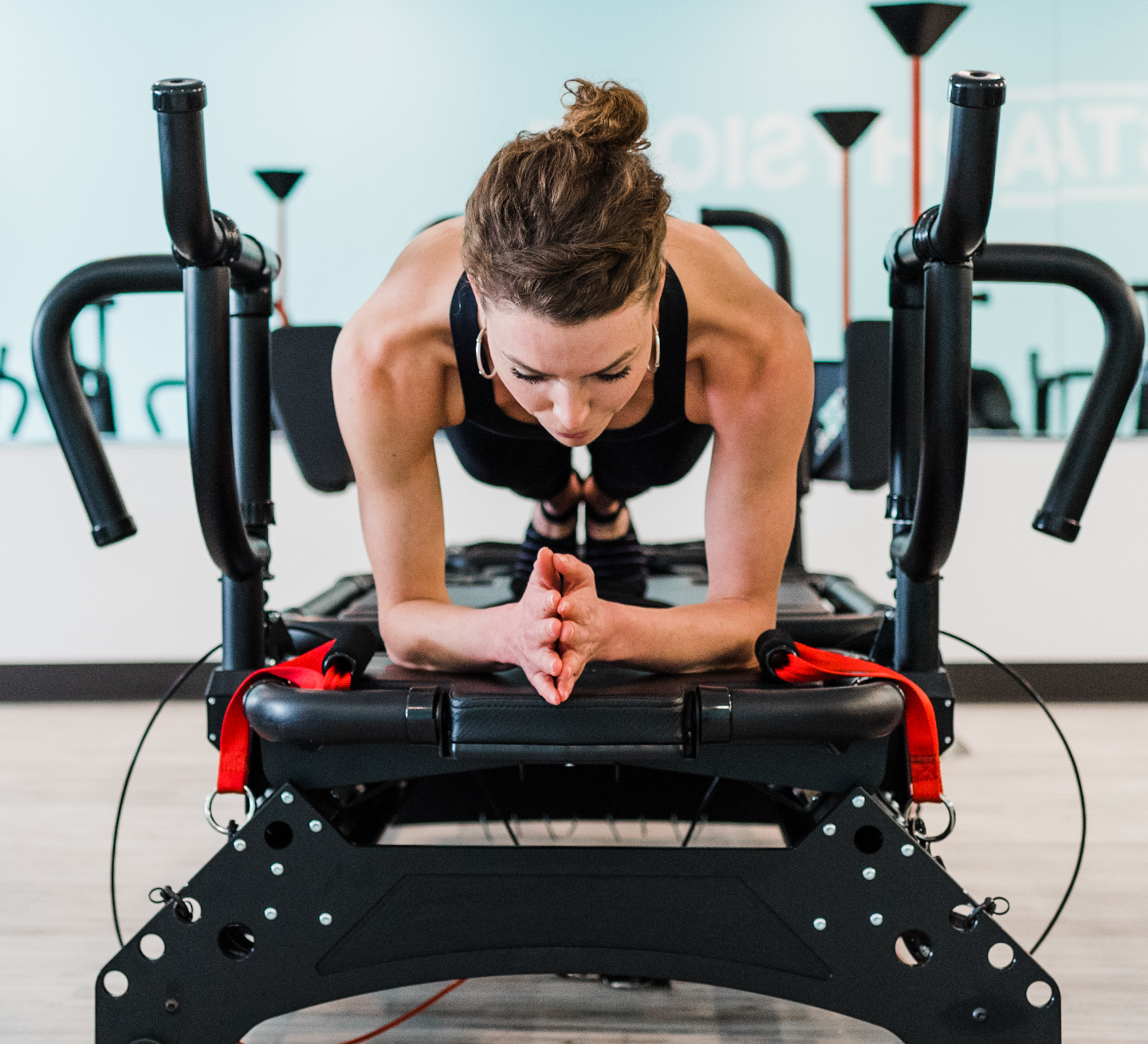
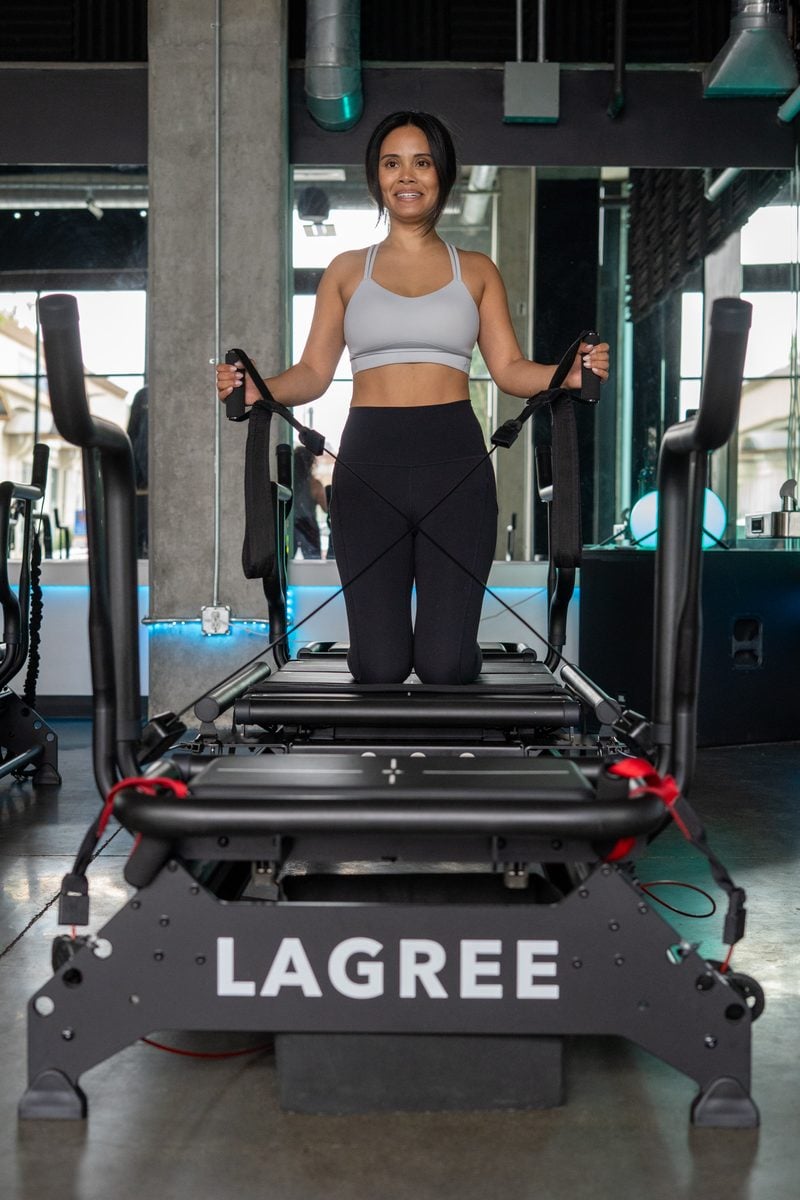
InstaPhysique is built around high intensity, low impact strength training on the Megaformer. Forty minutes of slow, controlled work that builds strength without punishing your joints. So why put a metabolic analyzer in a strength studio?
Because training and testing answer each other. The test tells you where you are starting. Training is what moves the numbers. The retest proves it worked. Without measurement, you are training on faith. With it, you are training on evidence.
Testing also fits how we think about the whole picture. Recovery and mobility matter as much as effort, which is why the studio offers InstaRoll lymphatic massage, infrared sauna, and stretch classes alongside training. PNOE testing completes that picture: train, recover, measure, adjust.
What to expect at your PNOE test
The test itself is simple, and most people find it surprisingly relaxing.
- Book your session. We will send simple prep instructions ahead of time. In general, plan to arrive rested, and avoid a heavy meal or an intense workout right before.
- The resting test. You recline comfortably and breathe normally through the mask for a short period while the analyzer measures your resting metabolism.
- The active test. For VO2 max, you complete a short, progressive effort on a stationary bike while wearing the mask, so we can see how your body performs as intensity climbs.
- Your results, explained. You get your report within 48 hours, and can book a consultation with a metabolic expert to unpack what they mean, plus get an add-on of a nutrition plan built from your own data, and a clear idea of how to train against your baseline.
FAQ
Is metabolic testing only for athletes?
No. Athletes use it to fine-tune performance, but beginners arguably benefit the most. Starting a fitness journey with your real numbers means you skip months of trial and error with calories and intensity that were never right for your body.
What is the difference between an RMR test and a VO2 max test?
The RMR test happens at rest and tells you how many calories your body burns doing nothing, which drives your nutrition targets. The VO2 max test happens during exercise and tells you how efficiently your body uses oxygen, which drives your training zones. Together they cover both sides of the equation: fuel and effort.
Can’t my smartwatch tell me this?
Your watch estimates these numbers from heart rate. A metabolic test measures them directly from your breath. Estimates are a fine daily companion, but a plan should be built on measurement.
How often should I retest?
Every three to four months works well for most people, or at the end of a focused training block. Retesting is where the motivation lives: you get to see your metabolism and fitness respond to the work you put in.
How do I prepare for my test?
We send prep instructions when you book. The short version: come rested, skip the pre-test workout, and do not eat a large meal right beforehand.
Your numbers are waiting
The fitness industry is moving from generic advice to measured, personal data, and you no longer need a university lab to get it. One session gives you your baseline, your zones, and a nutrition plan built on your actual metabolism.
Book your PNOE metabolic test at InstaPhysique. We are locally owned, Sacramento born, with studios in Arden, Midtown, Roseville, and Folsom.